
Sustainable Public Procurement

The Procurement Act (1397/2016) encourages the consideration of environmental and social aspects in the procurement process. Sustainably planned and implemented procurement builds a prosperous Finland, strengthens the vitality of municipalities and supports the long-term development of public finances.
Sustainable procurement supports organisations’ environmental and sustainability objectives, improves the quality of services and steers the market towards sustainable solutions. Sustainability can be integrated into procurement by using environmentally sustainable selection criteria, promoting the circular economy and material efficiency, creating employment opportunities for people in a vulnerable labour market position and strengthening human rights in supply chains. Effective procurement decisions require an understanding of where sustainability delivers the most value and what methods are appropriate to take it into account.
Support for managing, planning and implementing sustainable and responsible procurement
Through well-managed procurement, an organisation effectively implements its own strategic objectives. For example, procurement is a key tool for achieving emission reductions in the pursuit of carbon neutrality targets. Given resource constraints, it is important to identify the most relevant procurements for sustainability objectives and to focus requirements specifically on these procurements.
Motiva’s national services to support responsible procurement
Motiva provides several national services to support responsible procurement. We maintain and develop the responsible procurement criteria bank and develop nationally market-dialogued sustainability criteria for use in procurement.
We coordinate the VAUHTI network, which enables peer learning and co-creation, and produce guides, online courses and tools to support responsible procurement.
Tailored support for procurement development
We also offer organisations fully tailored services, for example to prioritise sustainability objectives for procurement, set meaningful and effective sustainability requirements and develop procurement management.
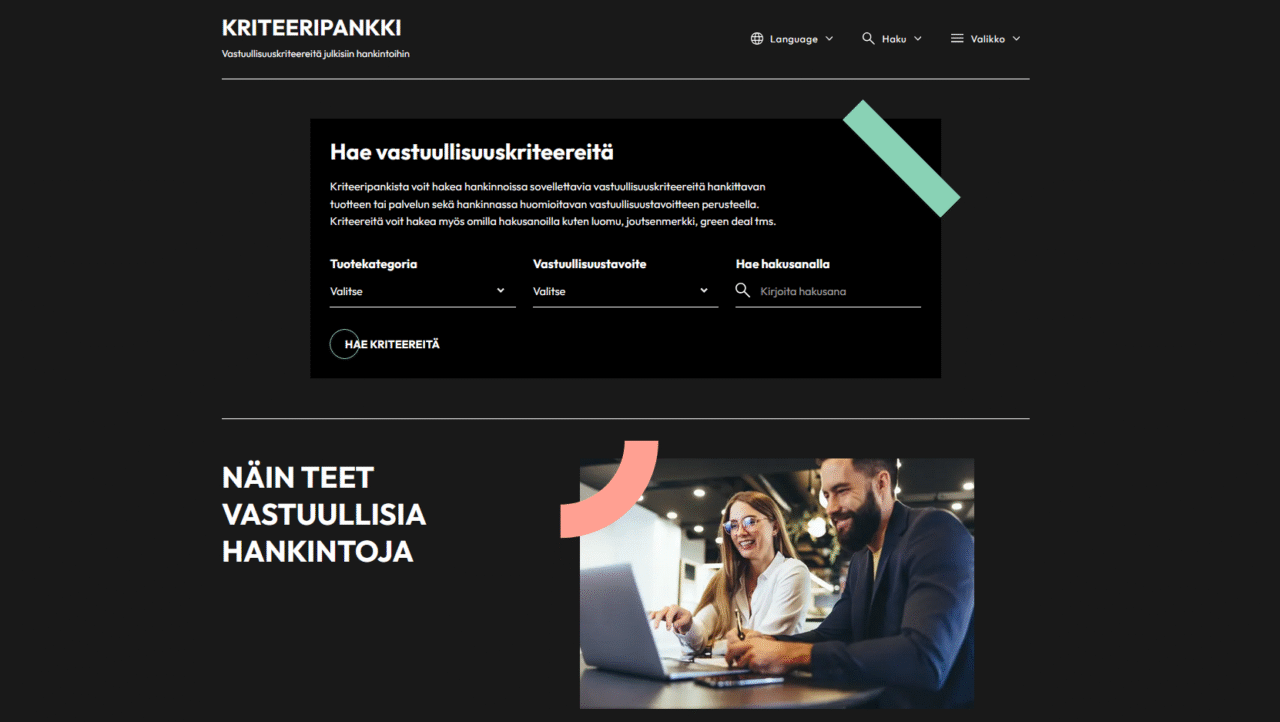
Responsible procurement criteria
Kriteeripankki.fi (criteria bank) is a free service coordinated by Motiva, through which public procurers can access ready-made, verifiable and Public Procurement Act–compliant responsibility criteria.

Network for responsible and impactful procurement – VAUHTI
The VAUHTI network brings together public contracting authorities and companies to develop impactful and responsible procurement. The network offers its members advice, sparring and peer learning, as well as the opportunity to participate in development groups focused on creating practical solutions.
Support, tools and services
More materials in the Knowledge Bank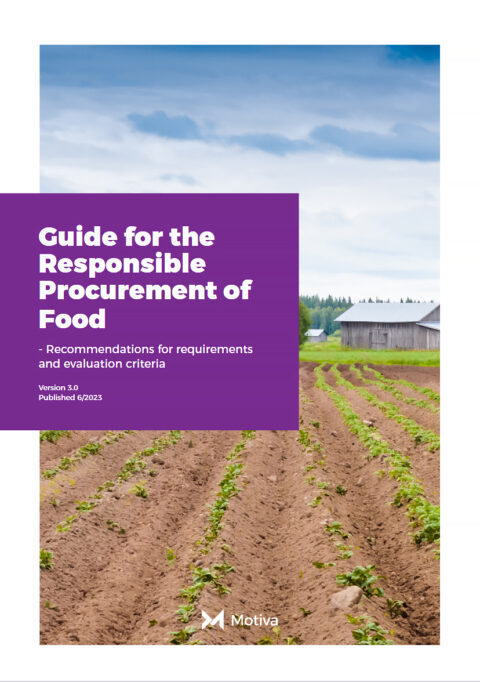
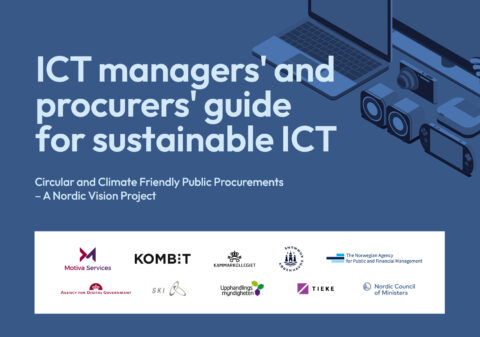
Contact us
If you want to take the sustainability of your purchases to the next level, we’re here to help.

Suvi Sippola
Senior Expert

Elina Muurimäki
Senior Expert

Taneli Varis
Expert

Elina Silvola
Expert

Sini Marttinen
Communications Manager
Motiva as an expert in responsible procurement in Finland
Motiva has long served as Finland’s central national expert in sustainable and energy-efficient procurement. Between 2018 and 2024, Motiva coordinated the KEINO competence network. KEINO was a national public procurement competence network aimed at strengthening the capabilities of contracting authorities and promoting sustainable, impactful and innovative public procurement.
Motiva has contributed to the development of and supported the implementation of the national green deal agreement to reduce harmful substances in early childhood education, as well as the national green deal agreements for emission-free construction sites. These agreements are examples of collaborative operating models in which public procurement is used to achieve concrete environmental and impact-related objectives.
Today, Motiva provides municipalities and other organisations with advisory services and support for developing responsible procurement. The activities are funded partly through project funding from ministries and partly through the organisations’ own funding when commissioning services.