
Heating your house
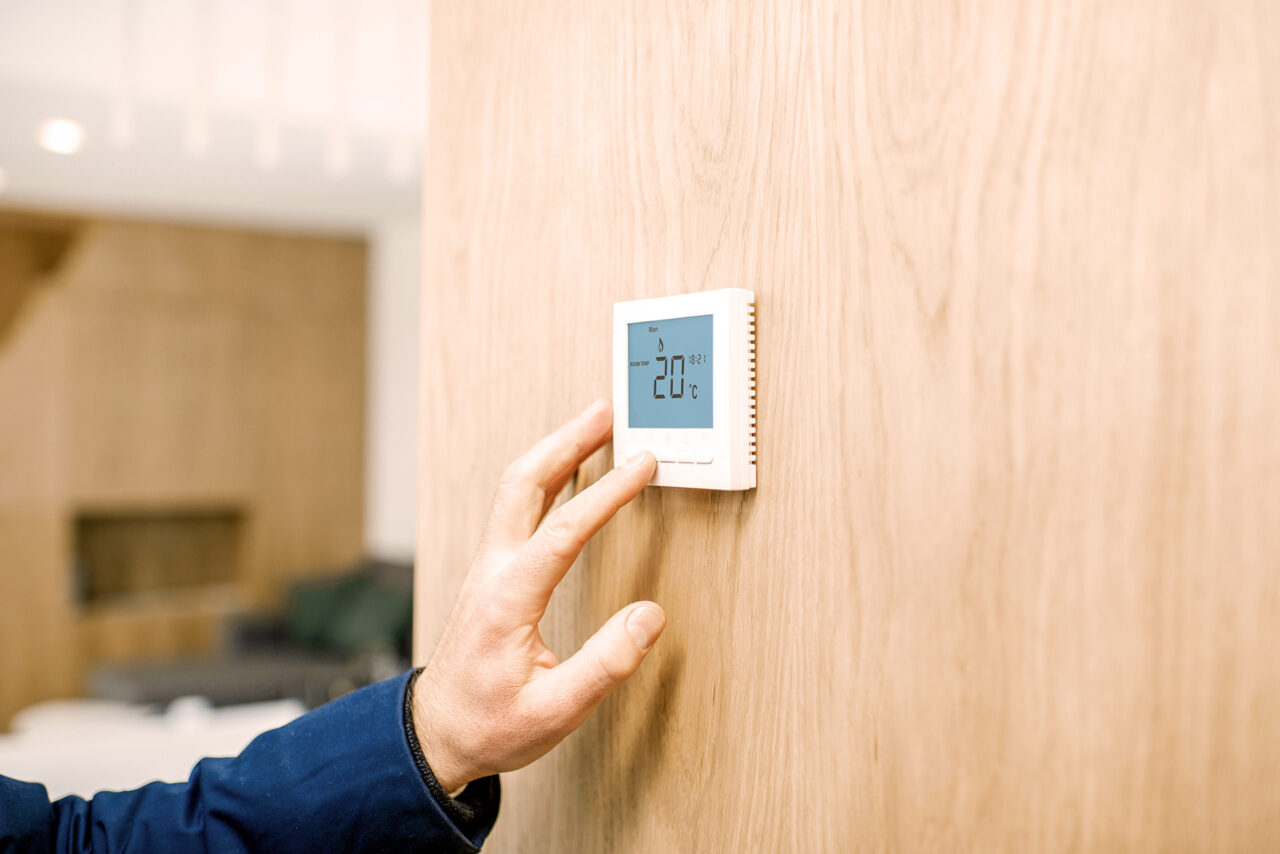
There are several options for heating systems in small houses. When choosing a heating system, it is worth considering not only the purchase and running costs, but also the environmental friendliness, ease of use and energy costs now and in the future. Supplementary heating systems provide a back-up source of heat, reduce the need for purchased energy and can offer opportunities for consumption flexibility.
Before changing or choosing a heating system, it is important to consider whether the heating energy demand of a house can be reduced by better insulation and sealing. It makes sense to plan investments to reduce the heating demand of a building at the same time as choosing a heating system. The heating demand can then be taken into account in the selection and sizing of the new heating system.
How is heating used at home?
In a house, heating energy is needed to heat the rooms, the fresh air brought into the house from outside and hot domestic water. The heating demand of a house varies depending on factors such as the outdoor temperature and the heat loads in the house.
The total energy consumption of a home is typically divided into:
- Heating the rooms 40-60%
- Domestic hot water heating 10-25%
- Preheating of supply air 5-15%
- Electricity for apartments and buildings 20-30%
Heating the rooms
The heating system should be designed so that the heating of living spaces, semi-heated spaces and washrooms can be controlled separately. This allows different spaces to be heated according to need. For example, the underfloor heating in the washrooms can be kept on even in summer when the rest of the heating in the house is switched off.
Heating the suppy air
In mechanical ventilation, fresh air is blown into rooms through supply air ducts and valves. The cold outdoor air is heated in a heat recovery unit (LTO) by the heat energy from the air extracted from the building. If the LTO unit does not make the supply air warm enough (around +15°C), the supply air is heated by a radiator in the ventilation unit.
The reheating radiator has either electric resistance or a water coil. In houses with a water-circulation heat distribution system, the radiator can be implemented as a separate water-circulation circuit, so that the same heating energy can be used to heat the supply air as in the heating system itself.
Heating the water
Domestic hot water typically consumes around 10-25% of total heating energy. The average consumption of domestic hot water is 35-50 litres per inhabitant per day. The energy consumption of domestic hot water is strongly influenced by the habits of residents.
How warm should your home be?
A suitable room temperature in the living areas of your home is around 21°C. It is also considered a healthy and energy-efficient temperature.
A one-degree drop in temperature means a five per cent reduction in energy consumption. Therefore, adjustments directly reduce the heating bill.
The right temperatures in living rooms improve living comfort and indoor air quality in many ways. If it is too warm, people become less alert and the indoor air becomes even drier during the heating season. During severe frosts, indoor air can be damagingly dry if the indoor temperature is too high. Lower temperatures also reduce harmful emissions from building materials.
If the apartment feels draughty, find out what’s causing it before you increase the heating. This could be due to inadequate sealing of windows and doors, improper ventilation or a structural fault. Also make sure there is sufficient ventilation in the rooms. Dry out the bathroom by increasing ventilation and drying the floors after a shower. Any underfloor heating will enhance the drying of the floor.
What is the correct room temperature at home?
- Living rooms 20–21 ºC
- Bedrooms 18–20 ºC
- Bathrooms 22–23 ºC
- Storage rooms 12 ºC
- Garages 5 ºC
- Stairwells etc. 15–18 °C
Info Finland – Save Energy
This page has been produced using machine translation. Motiva is not responsible for any errors or omissions on this page.