
Water consumption, water saving and water leakages
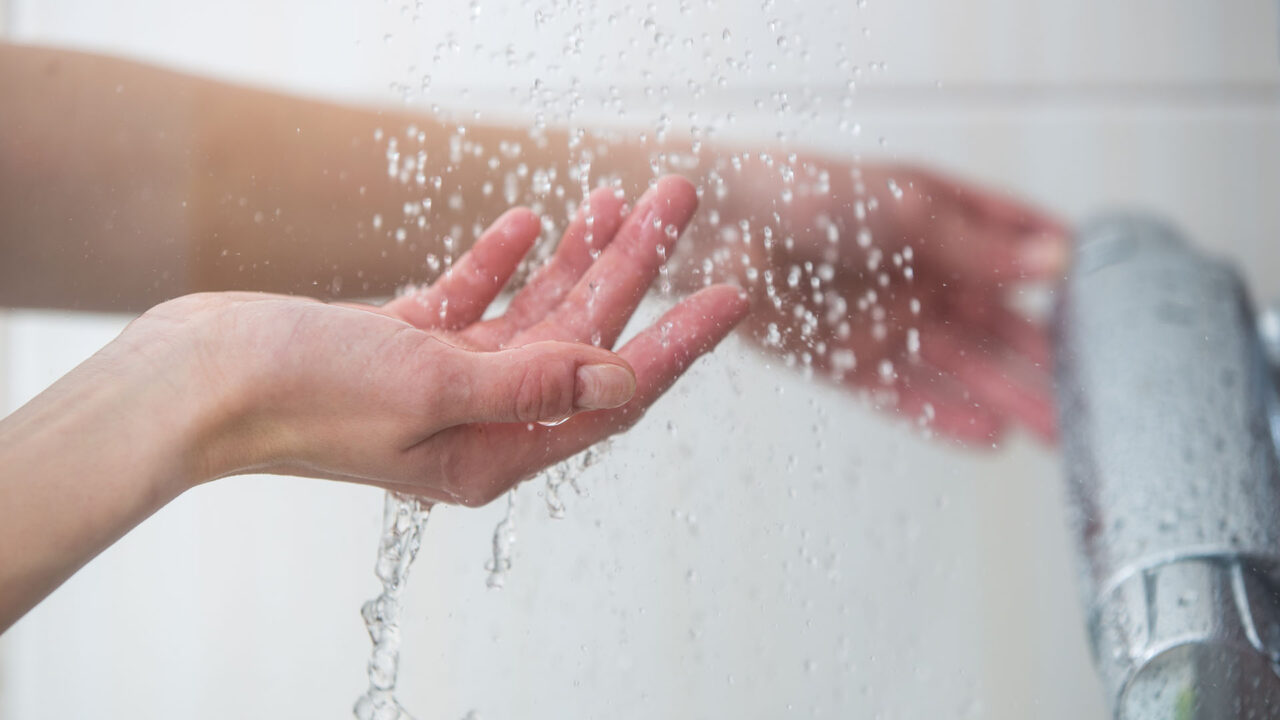
Responsible water use saves both money and environment. Pay attention to your own water use, especially the use of hot water, which is about three times more expensive than cold water.
At home, water consumption should be monitored from the water bill or with an individual water meter installed in new and renovated houses. If you notice an increase in water use, it is worth finding out what is causing it so that you can detect hidden water leaks.
How you use water in the shower, kitchen and laundry at home makes a big difference to water saving, so it’s worth paying attention to your own water use. You can also make use of a range of technical water-saving solutions, such as water-saving showerheads, touch-free taps and flow restrictors. Choose a water-saving model when replacing a dishwasher or washing machine. You should also consider installing smart water meters designed to detect water leaks in your home.
Tips for saving water at home
Showering
- Shower use accounts for a large proportion of water consumption, which can easily be several times higher than other water consumption. A family’s showering alone can result in thousands of euros of bills per year.
- Replace the shower mixer and shower nozzle with an energy garden model. The suitable flow rate for the shower mixer is 12 l/min, for the hand shower 6 l/min. Examples of shower water consumption:
- Water flow rate 12 l/min: a five-minute shower uses 60 litres and a 20-minute shower 240 litres.
- Water flow rate 18 l/min: a five-minute shower uses 90 litres and a 20-minute shower 360 litres.
- Keep your shower breaks short.
- Turn off the shower while you soap and wash your hair.
- Turn down the power of the shower.
- Reduce the number of times you wash your hair, if possible. You don’t need to wash your hair every day.
- Turn off the tap while you brush your teeth.
- Capture the water that runs off while you wait for the shower water to warm up.
- Make sure children don’t stay in the shower for long and learn to wash quickly.
- Take a shower instead of a bath. A bath uses five times more water than a shower.
Kitchen
- If you have a dishwasher, avoid washing up by hand.
- Choose a water- and energy-saving dishwasher if you buy a new one. Check the appliance’s energy label, which also shows how much water it uses.
- Do not wash sheds, avoid pre-rinsing dishes under running water.
- Choose the programme that suits your needs and use an energy-saving programme if possible.
- If you wash dishes by hand, wash them in the sink, not under running water.
- Avoid unnecessary rinsing of dishes before putting them in the machine.
- Replace the kitchen faucet with a model with a flow restrictor.
- Use one-pot recipes in between, there will be less washing up and less energy consumption.
- Store the water jug in the fridge and fill your glass from it. This way you don’t have to drain the tap and wait for cold water.
- Save the water used for cooking, use it to water flowers and green plants.
- Put the water you use to good use. For example, if you fill your biowaste bin full of water, pour the water down the toilet after you have used the toilet and flush it down the toilet.
Laundry
- Choose a water- and energy-saving washing machine if you buy a new one. Check the appliance’s energy label, which also shows how much water it uses.
- Wash full washing machines.
- Air your clothes and extend the wash intervals.
- For slightly dirty clothes, choose a shorter, cooler cycle.
- Wash your clothes clean all at once, carefully checking the amount of detergent to avoid extra washing cycles.
- Use the filtered water from the tumble dryer to water plants or wash floors.
Water leaks
A water leak from a tap or toilet seat can consume a surprising amount of water, and broken fixtures also pose a risk of water damage. For example, worn or broken fittings can cause a toilet seat to flush up to litres of water per minute down the drain.
- Check the condition of your water fixtures, maintain and service them.
- In a building company, report leaks to the property manager, and in a detached house, repair or replace broken fittings with new ones.
- Even small leaks are worth reacting to, because in addition to water consumption, they also carry a high risk of water damage. That’s why it’s a good idea to fix a leaking tap or toilet seat as soon as you notice it.
- If the tap is leaking at 0.5 dl per minute, 500 litres of water per week are wasted. Not only is water wasted, but hot water can also be consumed, which uses energy.
- Water leaks from a toilet can be insidious. Worn or broken fittings can cause toilet flush water to flow down the drain at a rate of up to litres per minute.
- Investigate the toilet for possible leaks by placing a piece of toilet paper on the inside of the seat on the back wall. If the paper gets wet, the cause could be a leak. You can also check for leaks by recording the water meter reading when you leave the house and checking it immediately on your return. If the reading has changed while you’re away, water is probably being spilled.
- If your toilet is old, consider replacing it: new toilets use less than half the water of old ones.
- When buying a new toilet, choose one with a dual-function flush.
- Fix leaking toilets immediately.
- Check the hand shower in the toilet, leaks are common.
- Look for leaks in the kitchen, especially from the sink or dishwasher.
Water flow
If the water flow in your home is unnecessarily high, you can install a pressure reducing valve on the water meter and adjust the pressure to around 3-4 bar. In a one-storey house, a lower water pressure is sufficient than in houses with water points on the floors above the water meter. Test the flow of all taps before and after with a flow meter, as the differences between taps can be large.
Waste water
Water companies charge households for both the clean water they use and the waste water they produce. Some water companies also charge a stormwater fee, which is not dependent on the consumption of domestic water. The stormwater charge was previously included in the waste water charge.
Wastewater often accounts for a much higher proportion of the water bill than clean water. Since water is billed according to the consumption of clean water as measured by the water meter, the customer has to pay a waste water charge even if the water is used for watering a lawn or washing a car, for example, even if the water consumed does not reach the water company as waste water. In detached houses and housing associations where rainwater harvesting is available, it can be used for washing the car or watering the garden, for example, saving clean tap water.
This page has been produced using machine translation. Motiva is not responsible for any errors or omissions on this page.