
Energy efficient detached house

In a detached or semi-detached house, improving energy efficiency is a long-term process of renovating and repairing the building. Regular maintenance and servicing, as well as keeping an eye on structures, equipment and systems and making the necessary adjustments, will keep the life of the occupants of a detached house on track.
The biggest benefit is in housing costs: lower energy consumption means lower energy bills and better protection against energy price fluctuations. Well-targeted renovations, such as improving the heating system, adding insulation or improving ventilation, often pay for themselves over time.
Energy efficiency measures will also improve the quality of life. The feeling of draughts is reduced, indoor temperatures remain more stable and indoor air quality improves. At the same time, the value and lifetime of the home will increase, and the house will be better able to meet current and future requirements. In addition, an energy-efficient detached house is less harmful to the environment and supports a sustainable energy system.
5 good reasons to improve the energy efficiency of your house
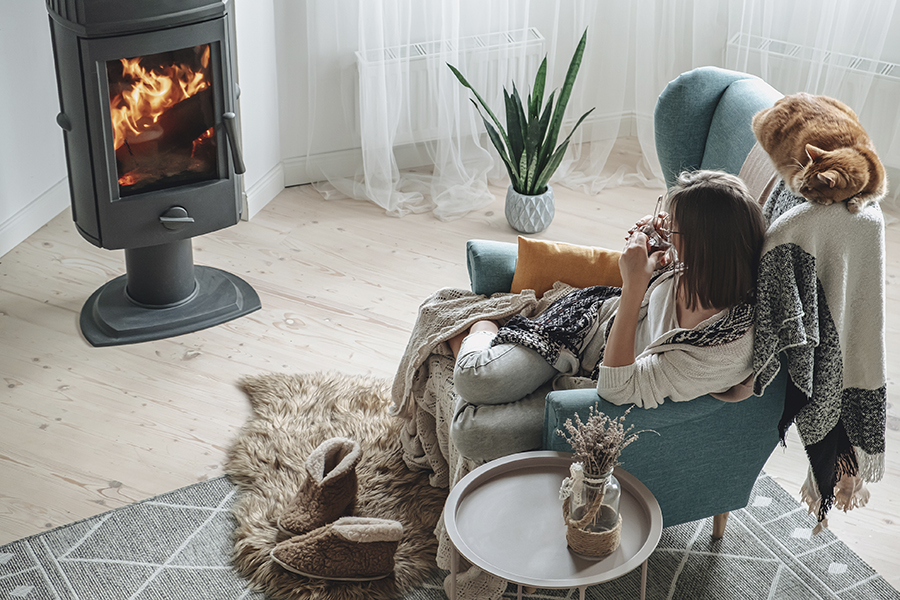
1. Lower living costs
When energy use decreases, heating and electricity bills go down. An energy-efficient home is also less sensitive to fluctuations in energy prices.
2. Better living comfort
Comfortable indoor temperatures, draught-free structures and proper ventilation make your home more pleasant all year round.
3. Increased property value and longer lifespan
Energy efficiency improvements help keep the building in good condition over the long term.
4. Reduced environmental impact
A home that uses less energy produces fewer emissions and supports more sustainable energy use.
5. More control over your energy use
Energy efficiency and smart electricity use help you take advantage of cheaper hours.
Proceed in a gradual and planned way
It often makes the most sense to improve the energy efficiency of a small house in stages. Heating solutions, ventilation, structures and electricity use form a whole, with changes in one area affecting others.
Before making major investments, it is worth making sure that existing systems are correctly adjusted and in good working order. Service and maintenance work, as well as small improvements such as checking controls or sealing leaks, provide a good basis for major energy renovations.
Technological advances are providing more and more opportunities for homeowners to control their energy use in everyday life. Electricity consumption control and automation help to schedule consumption at more convenient times and reduce the need for peak power without compromising comfort. For example, heating, domestic hot water or the use of electrical appliances can be controlled unobtrusively to make energy use more cost-effective and flexible.
Energy renovations and renewable energy solutions such as solar PV can significantly change the energy economy of a small house in the long term. Well-timed and appropriately sized solutions improve self-sufficiency and reduce dependence on purchased energy. When decisions are made with the whole picture in mind and tailored to the individual situation, energy efficiency investments support both economic and sustainable housing for decades to come.
This page has been produced using machine translation. Motiva is not responsible for any errors or omissions on this page.