
Renewable Energy
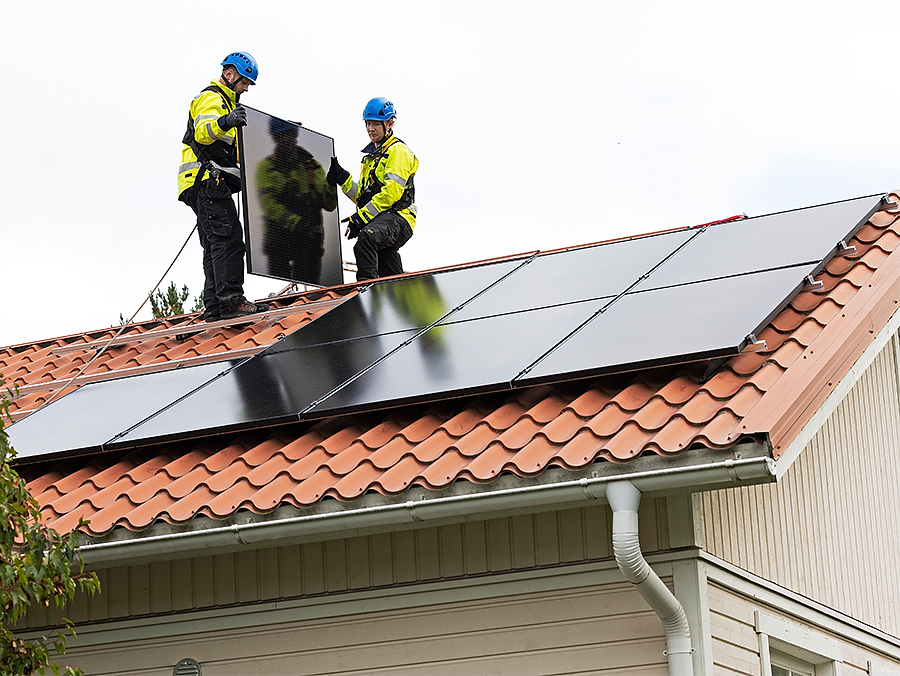
The use of renewable energy is influenced by Finland’s own energy and climate policies and by EU decisions and directives, including the Emissions Trading and Renewable Energy Directives, which Finland must take into account in its energy policy.
In autumn 2022, the Government published the National Climate and Energy Strategy “Carbon-neutral Finland 2035 – National Climate and Energy Strategy”, with which Finland will meet the EU’s 2030 climate commitments and achieve the Climate Act’s targets of reducing greenhouse gas emissions by 60% by 2030 and the carbon neutrality target for 2035. At the heart of the strategy is the green transition and the move away from Russian fossil energy, which is due in spring 2022.
According to the Climate and Energy Strategy, the use of renewable energy will increase significantly in both the baseline and policy scenarios, by around 50% from 2020 levels by 2050.
The sub-pages of this section provide more information on the production and use of renewable energy in Finland.